
The question at the heart of this site
Who Is Jesus?
For Christians, no question matters more. Here is the Armenian Apostolic confession in plain language, with Scripture references for further reading.
The short answer
Jesus of Nazareth was a first-century Jewish person from Galilee. His existence and Roman crucifixion under Pontius Pilate are part of mainstream historical scholarship. The earliest Christian sources portray him teaching, gathering followers, and proclaiming God's Kingdom.
Christian faith confesses far more: Jesus Christ is the eternal Son of God, truly divine and truly human. He became incarnate for our salvation — to enter, heal, and restore human life and bring us into communion with God.

Before anything existed, the eternal Word already was. He was not created; John says that all things were made through him (John 1:3). And then, unimaginably, he chose to become one of us: to have a face, a name, a mother, calloused hands, and tears. God came close enough to touch.
Fully God and fully human
The apostles worshiped Jesus as Lord, and the early Church spent centuries expressing this mystery with careful language. The Armenian Apostolic Church, part of the Oriental Orthodox family, confesses the one incarnate Son as true God and true human. The Havadamk says he took “body, soul, and mind, and everything that is in man, truly and not in semblance.”

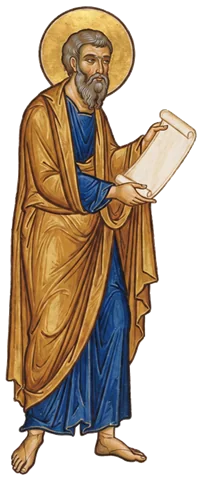
He was fully human
Jesus knew hunger, thirst, fatigue, friendship, betrayal, grief, and dread. Because he became truly human, no human weakness or suffering is beneath his compassion.
He was fully God
The Gospels portray him exercising divine authority: calming storms, forgiving sins (Mark 2:5–12), and receiving worship (Matthew 28:9, 17). Christians confess that he rose from the dead. When Thomas saw him alive, he answered, “My Lord and my God!” (John 20:28, RSV), and Jesus did not correct him.
Why both matter to you
Because Jesus is truly human, he shares our human condition and can meet us with compassion. Because he is true God, Christians trust him to save, forgive, heal, and bring humanity into communion with God.
One person, many names
The names of Jesus
Each name the Bible gives him opens a different window onto who he is. Several are titles from Israel's Scriptures; Christians read them in the light of Christ, without erasing each passage's first historical setting.

Jesus
Matthew 1:21His Hebrew name, related to Joshua, evokes “YHWH saves” or “YHWH is salvation.” It points toward his saving mission.

Christ / Messiah
John 4:25–26A title meaning Anointed One. Christians confess Jesus as the Messiah and read Israel's Scriptures as bearing witness to him, while honoring those writings in their own covenantal setting and history.

Immanuel
Matthew 1:23The name means God with us: the distance between heaven and earth, closed.
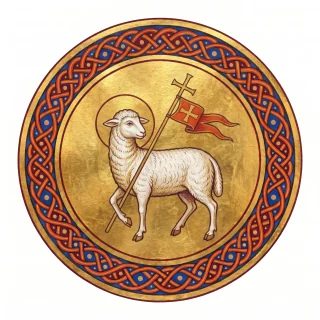
Lamb of God
John 1:29The one who takes away the sin of the world. In his self-giving death and resurrection, Christians see sacrifice, forgiveness, reconciliation, healing, and victory over sin and death.

The Good Shepherd
John 10:3–4, 11, 14He knows his sheep, calls and leads them, and lays down his life for them.
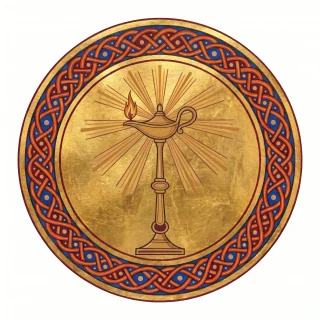
Light of the World
John 8:12The one who drives out darkness and shows us the way home.

Prince of Peace
Isaiah 9:6 · Romans 5:1 · John 14:27Christians confess that through him we have peace with God, and that he gives a peace unlike the world's.

The Word
John 1:1God's definitive self-revelation — the eternal Word who became flesh and made God known.

King of Kings
Revelation 19:16Christians confess his kingship above every earthly power and ruler.
Why it matters
Christians confess that Jesus is Lord and that God raised him bodily from the dead. This is not merely an argument about evidence; it is the Church's central proclamation and an invitation to encounter him in faith.
Jesus said to him, “I am the way, and the truth, and the life; no one comes to the Father, but by me.” John 14:6 (RSV)
That's not a small claim. It's an open door. And everything else on this site is simply an invitation to walk through it.